Septic Inspection Cost: What You Pay and What You Get
A sale is underway, the lender wants proof that the septic system under the yard is working, and the first number people search is the septic tank inspection cost. It is rarely a flat fee. The price changes when the inspector needs to dig to a buried lid, open two tanks, or write a report that a county or lender will accept.
For many US homes, a basic inspection may be around $250 to $500, a full inspection may be $400 to $900, and a report that includes pumping may run higher. Those are planning ranges, not quotes. Your county, access, system type, and whether pumping is needed can move the total more than the headline price.
Read this as a homeowner on a budget. You are paying for a clear answer about whether the system is likely to pass today, what it will need next, and whether a very cheap visit is really an inspection or just a look at the grass.
Key takeaways
- Covers: what you pay for, inspection types, regional cost planning, sale roles, cheap report red flags, and questions to ask before hiring.
- Applies to: conventional gravity systems, aerobic systems, mound systems, and chamber or pressure dosing fields when the inspector can reach the tank and field.
- Typical cost range: $250 to $900 before pumping and add-ons, with pumping included often moving the total higher.
- Urgency: not urgent for a normal sale unless there is a backup, slow drains, a failed report, or a wet spot over the field; a backup inside the home needs immediate attention.
- Job type: the inspection is a pro job, but the homeowner, landlord, or agent can prepare lids, access, and records.
- Planning rule: ask for a written quote that says what is opened, tested, and reported, and ask for the date on the quote before you schedule.
What the report covers and why price varies
A visual check is the minimum. The inspector looks at surface pooling, soggy grass, odors, standing water, and whether the system appears to move water. This is quick, so it is usually the least expensive.
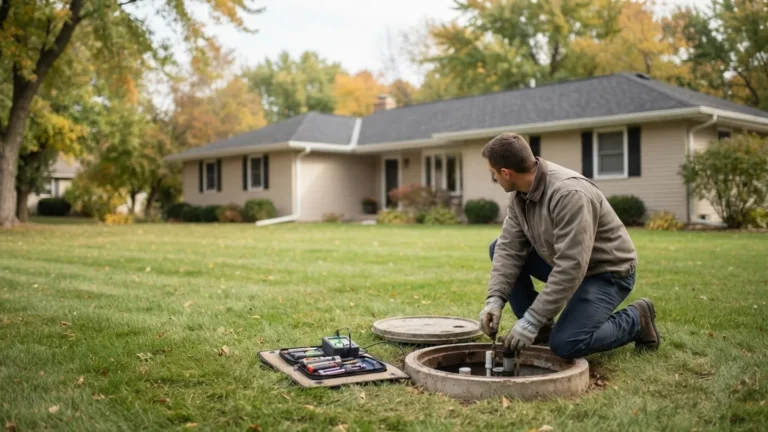
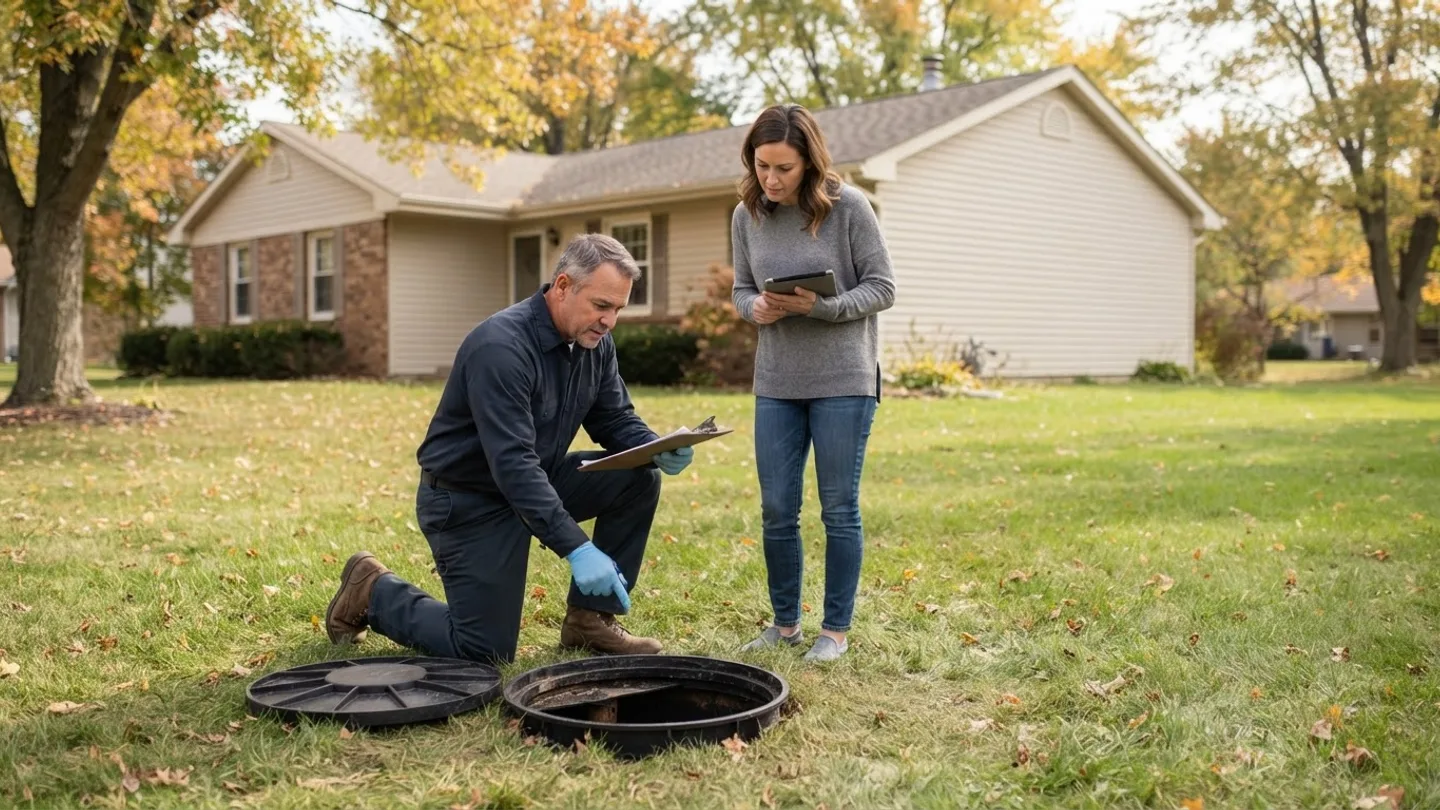
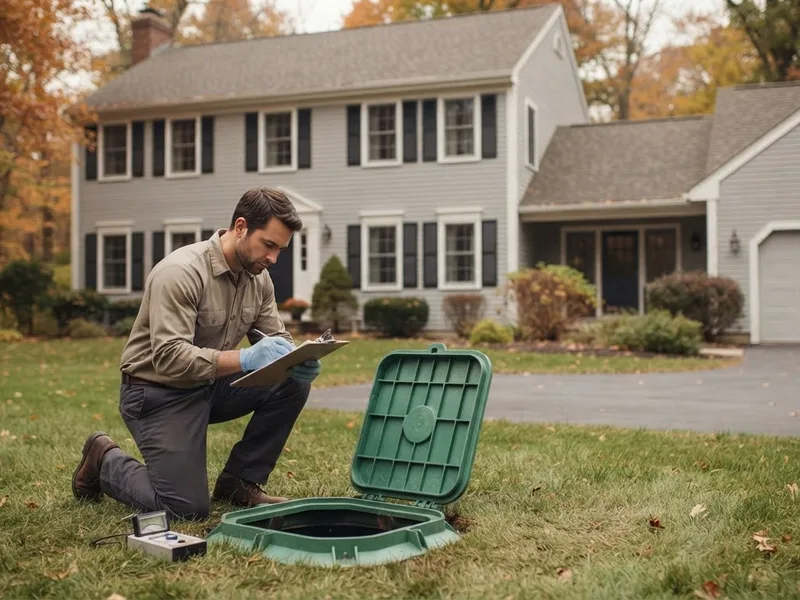
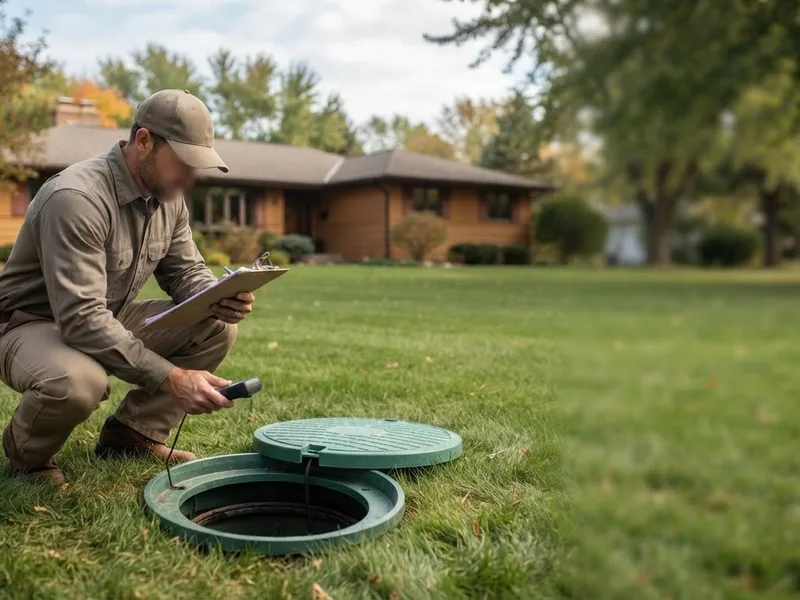
A full inspection opens the tank. The inspector measures the scum layer, the layer of floating fats and oils at the top, and the sludge, the solids that settle at the bottom. A high level may mean the tank needs pumping soon.
The inspector also checks baffles, which are gates inside the tank that keep solids from flowing into the pipe leading to the drain field. If a baffle is cracked or missing, the soil can clog faster.
In many homes, the inspector checks the effluent filter, a screen at the outlet that traps fine solids. A clogged filter can slow the system before a repair is urgent. Cleaning it may be a simple fix.
For the drain field, the inspector looks at the distribution box, the part that sends wastewater into the lines, and at signs of a biomat, the natural layer that forms under the field and can slow drainage if it grows too thick.
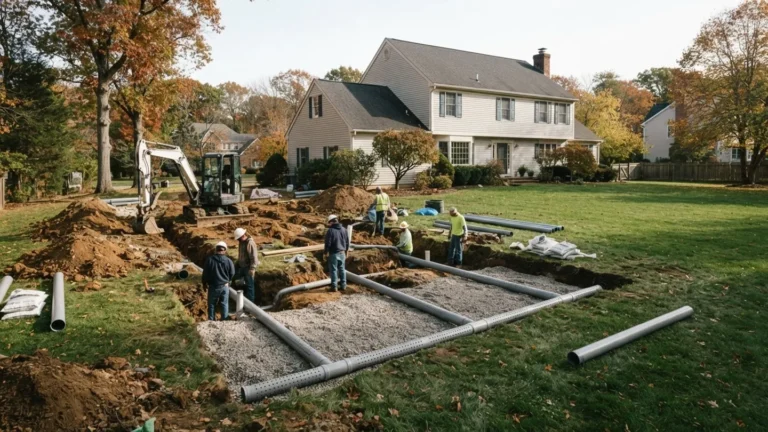
A new home install may need a perc test, a soil drainage test done before design. That is not the same as a routine inspection, and it is usually priced separately.
| Inspection type | What you get | Typical cost range | Who it fits |
|---|---|---|---|
| Visual only | Surface check for standing water, odors, and obvious drainage trouble. | $250 to $450 | Routine sale where access is easy. |
| Full tank inspection | Opens the tank, checks scum, sludge, baffles, and outlet filter. | $400 to $900 | Buyer wants proof the tank is not failing. |
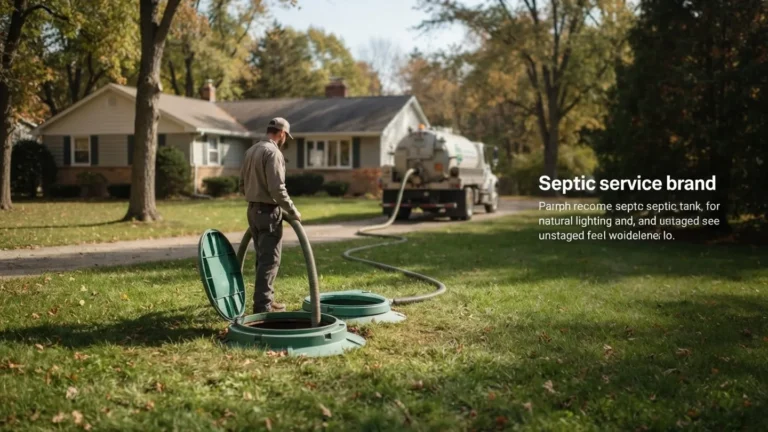
| Pumping included | Inspection plus tank cleaning, or a quoted visit that includes pumping. | $650 to $1,400 | Tank is overdue, records are missing, or buyer wants a clean start. |
| Aerobic system inspection | Checks the air pump, alarms, disinfection, and tank levels. | $450 to $1,100 | Aerobic or advanced systems with mechanical parts. |
| Mound or pressurized system | Checks pump, valves, dosing, and mound surface. | $500 to $1,200 | Rural lots with a mound, pressure dosing, or remote access. |
| Report for county or lender | Written report with required details, signed if needed. | $100 to $300 added | Sale requires a specific form. |
| Camera inspection | Camera looks at accessible pipe or tank sections for blockage or cracks. | $150 to $400 added | Recurring clogs or suspected pipe damage. |
| Load test | Water is run in stages to see how the field drains under pressure. | $200 to $600 added | Buyer wants a performance answer, not just an open tank look. |
Regional ranges for visual, full, and pumping included inspections
Prices are local. A visit in a dense suburban county may cost less because the inspector is already nearby. A rural visit may add a trip charge.
In much of the Midwest, a visual check may be $250 to $450, and a full inspection may be $400 to $850. Pumping can add $300 to $650.
In many Northeast markets, older systems, buried lids, and stricter sale forms can lift the full inspection to $500 to $1,000. Pumping may add $350 to $750.
In the South, heat, odor complaints, and varied county rules can put a full inspection around $400 to $900. Pumping may add $325 to $700.
In the West, rocky access, hillside lots, chamber systems, and permit reviews can put a full inspection at $500 to $1,050. Pumping may add $350 to $800.
Camera and load test extras
Start with the standard report
A normal inspection should answer whether the tank is close to failing, whether the field is showing signs of trouble, and what should happen next.
Ask whether the problem points to a pipe
A slow drain, a backup, or a wet spot may suggest a blockage, a cracked line, or a field that is no longer moving water.
Add a camera check
A camera can look at accessible pipe or tank sections. Many camera checks add $150 to $400.
Add a load test
A load test runs water in stages to see how the field drains under pressure. Many load tests add $200 to $600.
Confirm how extras are billed
Some companies include a short camera look in the base visit. Others quote it as a second trip. Get that answer before you schedule.
Pros
- Lower upfront cost
- Fine for a quick visual glance when the sale is already tight on cash
- May reveal obvious surface pooling or odor
Cons
- No opened tank means no measurement of scum or sludge
- No check of baffles, effluent filter, or distribution box
- No clear note about whether the field is saturated
- No plan for repairs if the county or lender needs detail
- No useful record when the buyer wants a second opinion
- A passed grass look may hide a tank that is nearly full
- A report with only short yes or no wording may be worth little
What moves the price and who usually pays
What moves the price most is scope. A visual check is cheaper than a full tank opening. A full check is cheaper than a report that satisfies a county form.
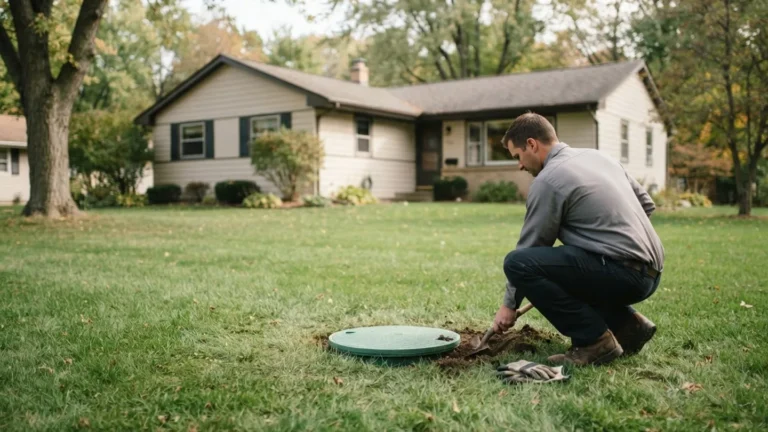
Access moves the total. A tank with lids under three to six inches of soil takes longer than a tank with easy risers. A riser, an extension that brings the lid closer to the ground, can save time and cost.
System type matters. An aerobic system may need pump and alarm checks. A mound system may need dosing checks. A large home with two tanks takes more time.
Location matters. Rural trip fees can add cost. Remote access, steep lots, and limited parking can add time. High demand markets may have higher fees.
Timing matters. When a sale is near, local inspectors may have busy weeks. Some add expedited report fees.
In a normal US sale, the buyer often pays for the inspection ordered by the buyer. A seller may pay for a report made before the house is listed. Some counties require a transfer report and assign the fee by contract or local rule.
If the report finds a needed pumping, cracked baffle, or slow field, the parties usually negotiate. One side may pay, one side may get a credit, or the work may be done before closing.
Estimate your inspection total
Estimated total USD
Before you hire an inspector
Ask for a written quote that lists what is included. The septic tank inspection cost should say whether the tank will be opened, how many components are checked, and whether pumping is separate.
Ask how far the inspector is from your house. A low base fee can become less friendly after a trip charge for rural access.
Ask whether they are licensed to work on your system type. An aerobic system inspector should know air pumps and alarms, not just concrete tanks.
Ask what the report says if the system is older than the current rules. Many older systems are legal as they are, but a report should explain why, not just label them bad.
Ask how they handle buried lids. If the tank lid is under four inches of soil, digging and cleanup can add time and cost.
Ask what happens after a marginal result. A fair answer is a clear next step, such as pumping, repair quote, camera check, or load test, not a vague warning.
If a quote says the drain field must be replaced after only a quick look, get a second opinion.
Frequently asked questions
Does septic tank inspection cost include pumping?
Not by default. A basic or full inspection checks the system. Pumping is cleaning. The quote should say whether pumping is included, added, or quoted separately after the visit.
What is a marginal inspection report?
It means the system is not clearly good, but also not clearly failed. It may have high sludge, a cracked baffle, slow draining, or incomplete records. The report should name the fix and who can do it.
How long is the report valid?
It depends on local health rules, lender forms, and county transfer requirements. Ask for the rule in writing before you rely on a date.
Can I use a seller's older inspection?
Sometimes, but a buyer usually wants a current report if the tank may have been used or pumped since the old visit. A lender or county may reject an old one.
Should I pump the tank before selling?
If records show the tank is overdue or the inspection recommends pumping, it can reduce surprises. But do not assume pumping fixes a saturated drain field. A field problem can stay after cleaning.
Is a cheap inspection always bad?
Not always, but it can be bad if it does not open the tank. The cheap visit may answer only whether the yard is wet.