Is Bleach Bad for a Septic System?
At a glance: if sewage is backing into the house, stop using the fixtures and call a septic service now. For normal use, a standard gravity septic system, aerobic system or system with a chlorinator can usually handle household laundry and surface cleaning. Large daily doses can set tank bacteria back.
This guide covers bleach from laundry, cleaning and drain disinfecting. Usual cost: $0 for normal household use. Urgency: low for one regular load, higher for repeated large doses, backup, odors or wet soil over the field. Repair costs vary widely by system and region. Homeowner job: adjusting cleaning habits. Pro job: inspecting a tank, pumping or repairing a stressed field.
You just cleaned a bathroom, rinsed a few cups of bleach down the toilet, and now you are wondering what happened to the bacteria in the tank.
Jump to the part you need
What to remember about bleach and septic
- Normal household bleach use is usually fine.
- Large daily doses, repeated drain pours and tank dosing can slow the microbes that break down solids.
- Bleach is not a deodorizer, a cleaner for backup conditions or a repair for odors.
- Aerobic systems with chlorinators have a disinfection step. Do not add bleach to it without following the design.
- If drains are slow, smells are strong or soil is wet over the field, stop adding chemicals and get a service check.
How bleach affects septic bacteria
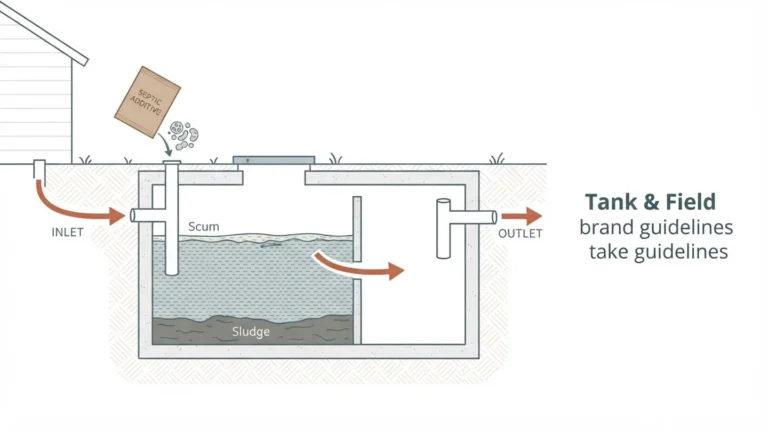
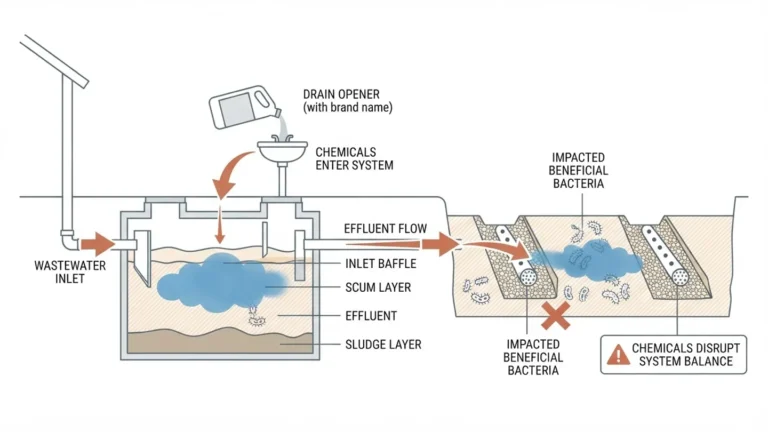
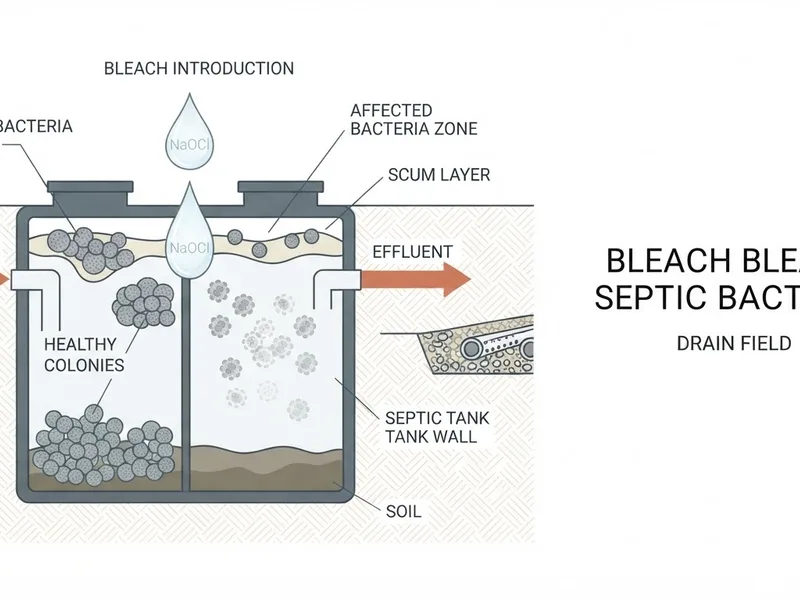
Most septic tanks work because microbes break down waste. The tank separates solids into a scum layer, the floating greasy layer, a sludge layer, the settled solids, and clear effluent in the middle. A baffle keeps solids from moving into the drain field.
Chlorine bleach can reduce the microbes that do that work. One diluted dose is usually buffered by the large volume of sludge, scum and liquid in the tank, so the effect is small.
Repeated large doses can change that balance. The tank may start to pass cloudy effluent more quickly, and the field may show signs of stress because the tank is not doing its part well.
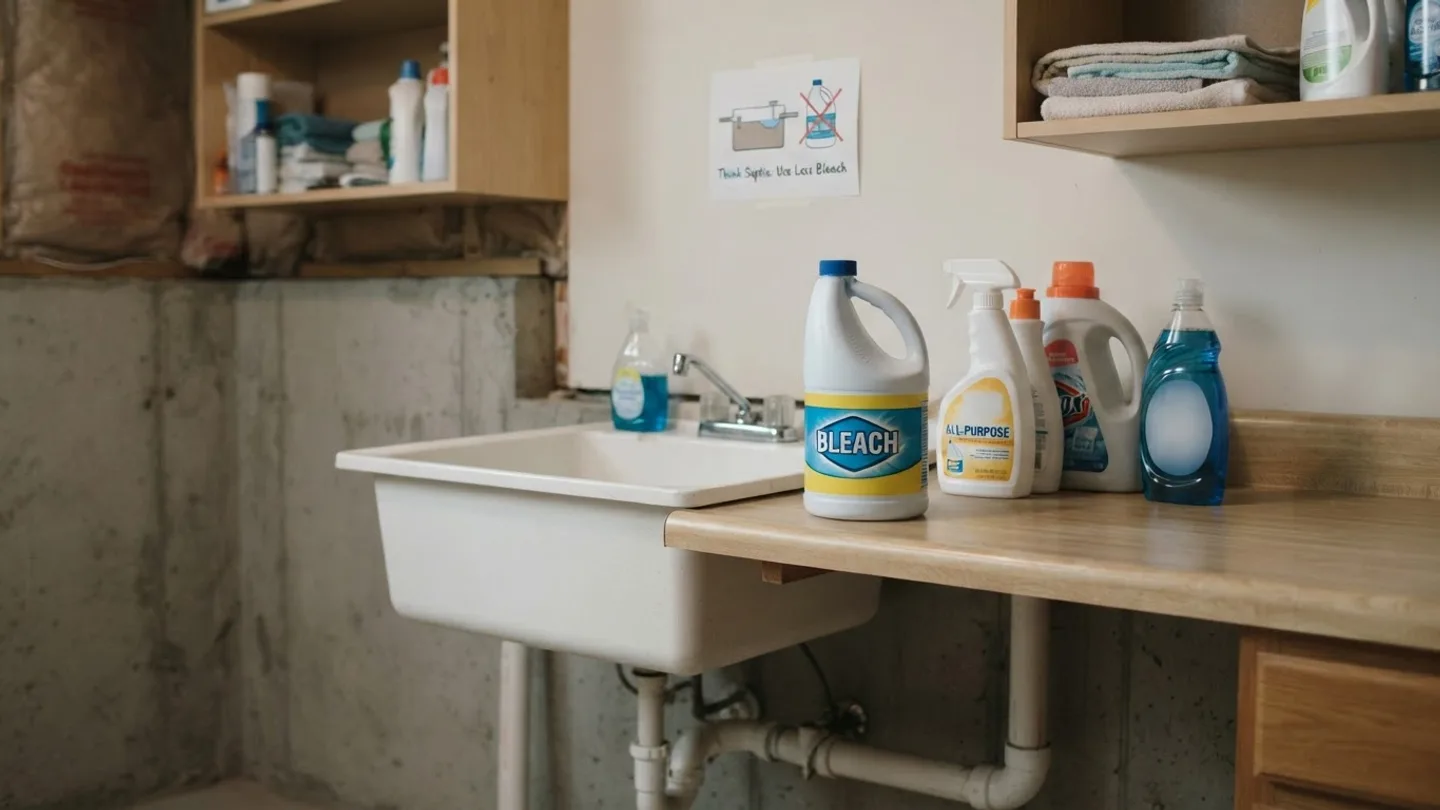
Normal use is bleach in a regular laundry cycle, in a bucket or spray bottle for surfaces, or in the amount a cleaning product label directs. A load that uses about half a cup to one cup of regular household chlorine bleach is the kind of dose most septic systems handle without trouble.
Running a dishwasher or washing machine on a normal schedule also does not turn the tank into a chlorine bath. The bleach is diluted by the rest of the water in the load, the toilet flushes and the liquid already inside the tank.
Problems become more likely when the habit shifts from cleaning surfaces to treating drains, pipes or the tank. Pouring several cups into drains as a deodorizer, running multiple bleach laundry loads every day, dosing the tank after a backup or using strong pool chlorine in any amount can set the biology back.
Watch for slow drains, gurgling fixtures, sewage odors in the yard, wet grass over the drain field or an inspection failure. Those signs mean the problem is bigger than one bleach dose. A drain field may be stressed by low soil drainage, heavy water use, roots, a failing distribution box, which is the fitting that spreads effluent into the field lines, or a biomat, the natural layer of soil and microbes under the lines.
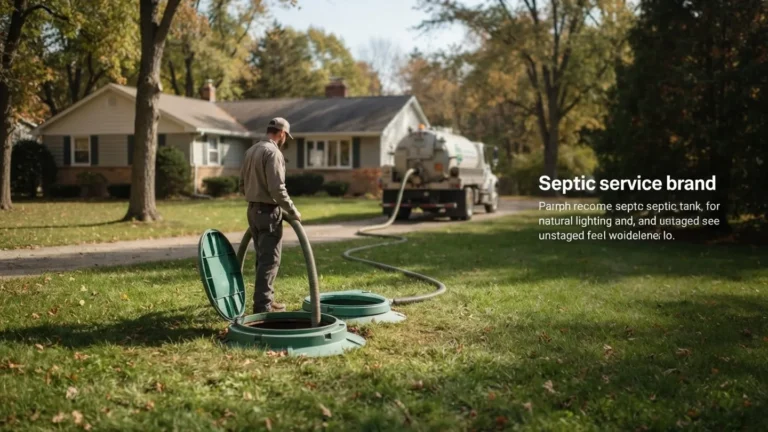
A backup into the house is not a bleach problem to solve with more bleach. Stop using the affected fixtures and call a septic service or pump truck. The next step is to manage water, inspect the tank and keep more waste and chemicals from moving toward the soil.
| Normal bleach use | Heavy bleach use | Aerobic system with chlorinator | |
|---|---|---|---|
| Where it appears | Laundry, surface cleaning, toilet after guest visit | Drains, pipes, tank dosing, multiple daily loads | Measured disinfection after treatment or reuse line |
| Effect | Small diluted dose, usually no visible effect | Can slow solids breakdown and cloud the effluent | Extra bleach can upset calibration or harm treatment biology |
| Signs | None | Slow drains, odors, wet field, inspection issues | Alarm, chlorine odor, poor effluent quality, service report problems |
| Move | Continue normal cleaning, keep water moderate | Stop dosing, watch signs, inspect or pump if due | Follow manufacturer and service provider, do not guess |
Aerobic systems and daily bleach habits
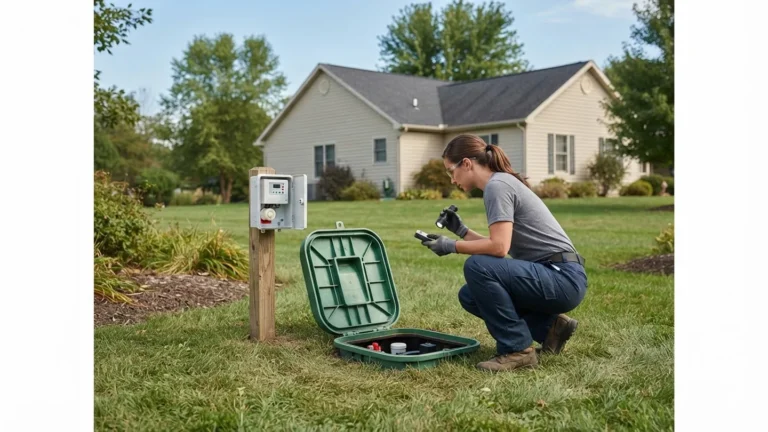
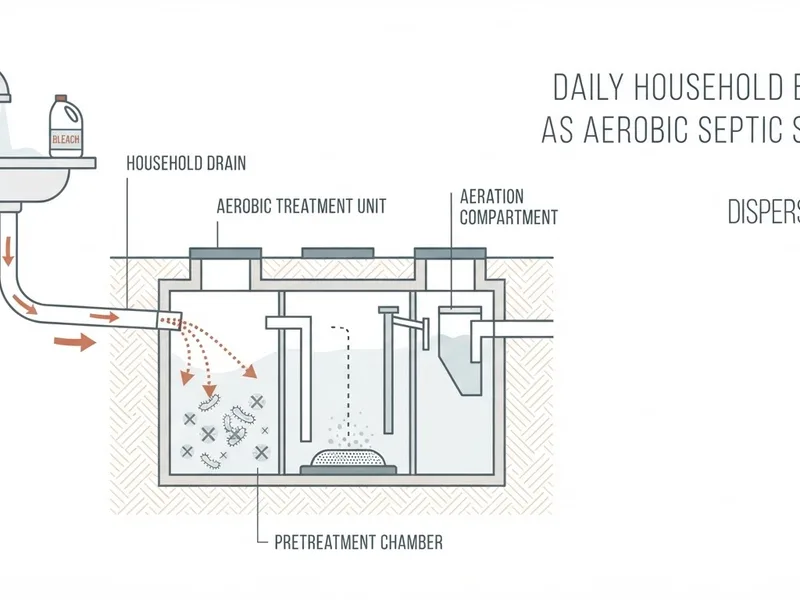
An aerobic system is a septic system that uses more oxygen to treat wastewater, often with a blower and a series of treatment chambers. Many aerobic systems have a chlorinator, which adds a measured dose of chlorine to disinfect effluent before it moves to the field or a reuse line.
Do not add bleach to an aerobic system because you think it is safe. The chlorine step is calibrated, and the wrong amount can harm bacteria earlier in the system or upset the disinfection step later. If your system uses chlorine tablets, use the tablet size and dosage in the manufacturer's instructions and the service report.
If your system sends treated water to a drip field, lawn sprinklers or reuse plumbing, disinfection matters more. Too little chlorine can miss germs. Too much chlorine can harm the treatment unit and the soil. This is not a guesswork job.
Some households need stronger cleaning because of illness, pet accidents, rental turnover or a musty basement. You can protect the system by using the lowest amount that does the job. For laundry, run bleach loads only when the clothes or linens need them, not as a default for every wash.
For surfaces, let the product sit the time on the label instead of pouring more down the drain to speed things up. Dilute bleach for bucket cleaning. Keep floor drains free of standing odor by cleaning the trap, the curved pipe that holds water, not by repeated chlorine flushing.
Keep a simple habit list: use other disinfectants when they are enough, space out large laundry loads, do not dump leftover bleach solutions in bulk and keep the tank pumped on schedule. A clean tank gives the microbes room to recover.
Watch water use too. A septic system is a soil drain system as well as a tank. If your perc test, the soil drainage test done before a new field is designed, showed tight soil or your field is small, a bleach habit combined with high water use can show up as wet soil outside before it shows up indoors. Check the effluent filter, a screen on the tank outlet, during service, because solids buildup can make the system look worse than it is.
What to do after a large bleach dose
Stop adding bleach and other harsh cleaners
Pause laundry, disinfecting and tank additives until you know what is happening.
Do not rinse it through with heavy water
Let the tank settle and keep normal water use moderate. If you have a backup into the house, call a septic service now, not later.
Watch the next day or two
Look for slow drains, gurgling, odors or wet grass over the field. If these appear, stop using the affected fixtures.
Check recent service
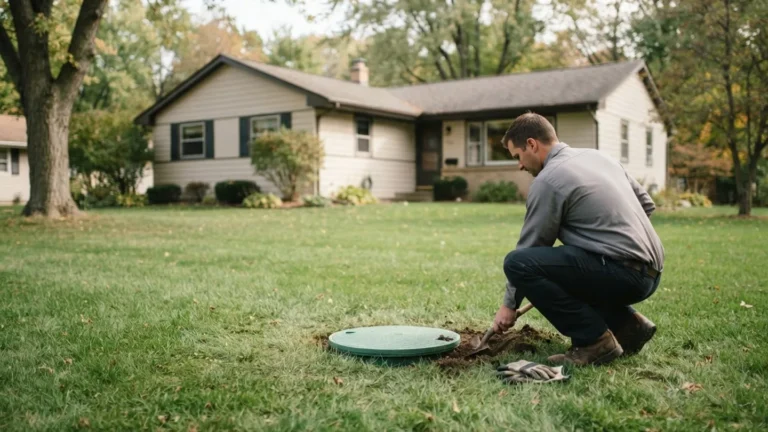
If the tank is due, schedule an inspection and pumping. Ask the pumper to look at solids, the effluent filter and how fast liquid is leaving the tank.
Change the cleaning routine
If you need heavy bleach daily, ask your septic service provider about safer methods for your system and water use.
Common bleach and septic questions
Does bleach kill a septic system?
Normal laundry and cleaning bleach does not usually kill a system. Large repeated doses can harm microbes and make solids break down slower.
Can I pour bleach down the toilet?
Occasional flushing after disinfecting a toilet is fine. Repeated pouring into drains is not a septic treatment.
How much bleach is too much for a septic system?
It varies with tank size, dilution and frequency. A single laundry load with about half a cup to one cup of household bleach is usually not a problem. Several daily loads, repeated drain pours or tank dosing can be enough to hurt the biology.
Can I use bleach to fix septic odors?
No. Odor often means the tank, filter or field needs inspection. Bleach may add stress and hide the cause.
Should I stop using bleach if I have an aerobic system?
Do not change the system with extra bleach. Use household bleach in moderation if the service plan allows it, and keep the chlorinator dose only as designed.
Will bleach damage a drain field directly?
Most harm starts in the tank. If tank bacteria slow, more solids and cloudy effluent can reach the field and make soil drainage worse.