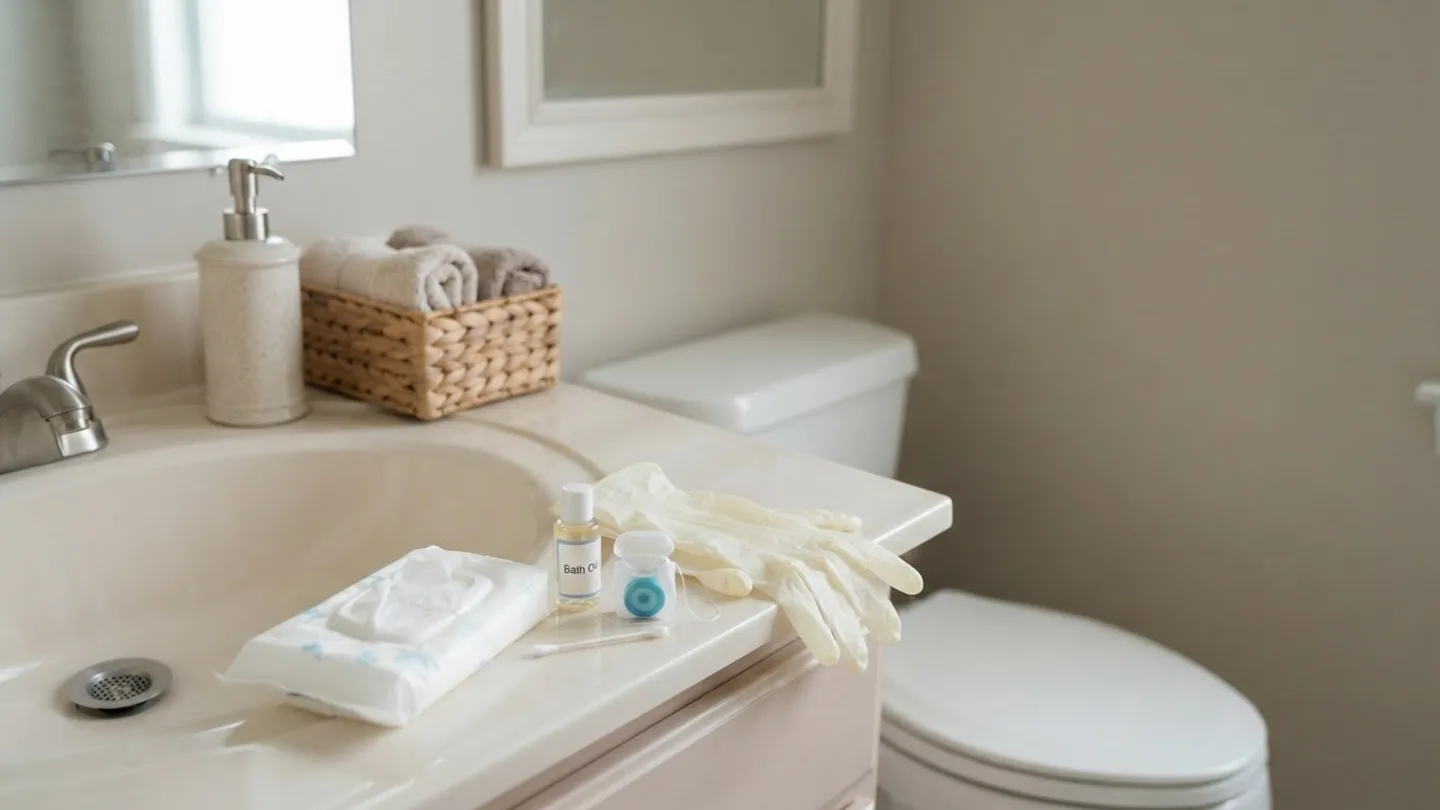
You run the kitchen faucet and the sink takes a long time to empty. A week later, the toilet drains slower. It is easy to blame pipes, but a septic tank only has so much room, and the wrong items can narrow that room fast.
At a glance: this guide covers what not to put in septic tank, which items belong in trash or a waste facility, and what most homes can use in moderation. It applies to standard gravity septic tanks, aerobic systems and mound systems in the US. Typical cost range: the habit swaps cost little or nothing, while a blocked pump, full tank, clogged filter or damaged drain field can become a repair bill that varies widely by region. Urgency: low for prevention, high if you see slow drains, odors or wet ground over the field. Job type: homeowner tasks are sorting, flushing and water use habits, while a septic professional handles pumping, filter cleaning, baffle checks and repair.
Use the list that follows as a quick reference, then read the notes about wipes, grease, cat litter, coffee grounds, medications, paint and drain cleaners.
Leave a Reply