Aerobic Septic System Cost: Install, Power and Upkeep
You have three bids for a rural lot, and the one that passes the permit uses an aerobic treatment unit. The first number is not the same as the yearly number.
An ATU is an aerobic treatment unit, a septic system that adds air so microbes break down solids more completely before water moves toward the soil. That extra machinery changes the cost path.
This guide shows why aerobic septic system cost is easier to understand when you separate the install line items from the annual carry.
At a glance
- Scope: install line items, annual power, chlorine, service contracts, pumping, parts and repairs.
- Systems: aerobic treatment units, also called ATUs, plus the permits and maintenance rules around them.
- Cost range: install is typically higher than a basic conventional system, and annual carry adds service, power, chlorine and repairs. Last checked June 2026.
- Urgency: low when planning. Raise the concern if the alarm sounds, the ground stays wet, or drains slow at the same time.
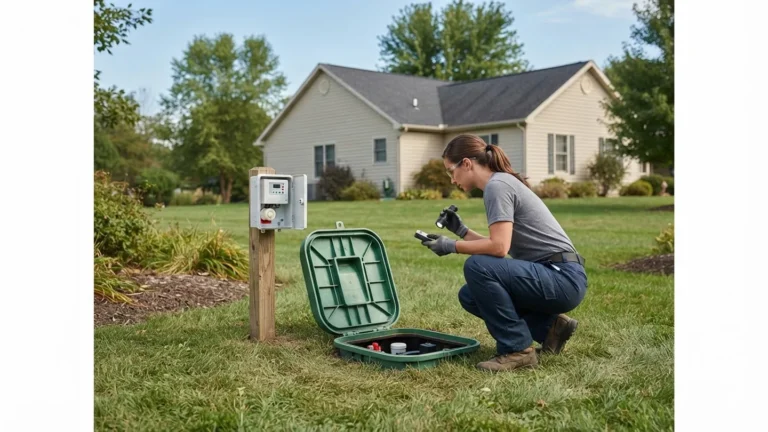
- Job type: the install, wiring, testing and repairs are professional jobs. You can keep records, check the alarm and meter the blower power.
What changes when a septic system needs oxygen
A conventional septic system uses a tank and a drain field. Solids settle in the tank, partly treated water called effluent moves forward, and the soil over the drain field does a lot of the cleaning work.
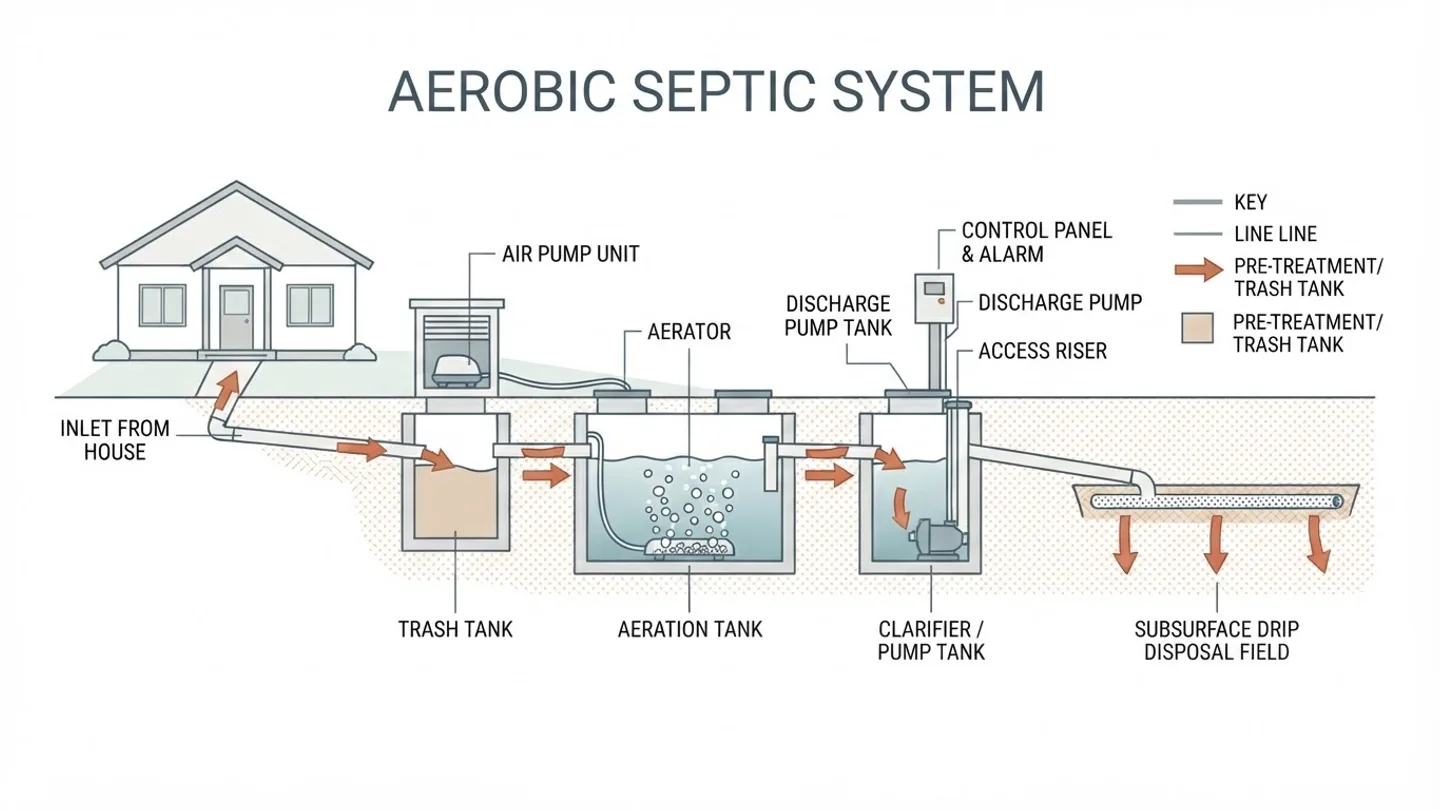
An ATU adds air, usually with a blower, so the treatment process uses more oxygen. That can help when the soil or the lot cannot absorb the same amount of water as a larger conventional system.
The trade is machinery. A conventional gravity system can sit between inspections with little happening in the tank outlet. An ATU has an air pump, a control box, a disinfection path, an alarm and more moving water.
Ask for the tank capacity in gallons. A permit may describe the tank in gallons, such as 1,000 gallons for a three-bedroom home, but your permit controls.
That one number, the capacity, does not tell you the cost. The cost lives in the air pump, the wiring, the chlorine feeder, the filter, the alarm and the service schedule.
| Cost line | Aerobic treatment unit | Conventional system |
|---|---|---|
| Site and soil work | May need electrical service, leveling, access risers and a tighter setup around the unit. | May need a larger drain field or more soil excavation if the lot is simple. |
| Tank and treatment | Adds compartments, a blower, diffusers or media, and sometimes a pump stage. | Usually a tank with inlet and outlet baffles, which direct flow and keep solids from moving out. |
| Power | The blower may run day and night, so a circuit, surge protection and an alarm are part of the system. | A gravity system usually uses no power between the tank and the drain field. |
| Disinfection | May add chlorine or another treatment before the water leaves the system. | Often sends effluent to soil without a disinfection step. |
| Inspection | Regulators and lenders often want records for pumping, service and alarm testing. | Inspection may focus on tank condition, baffles, access and the field. |
| Repair exposure | More small parts can wear, so a repair bill can appear before a full system fails. | Fewer moving parts inside the treatment path, but the drain field can plug. |
Power, chlorine and service: the annual carry
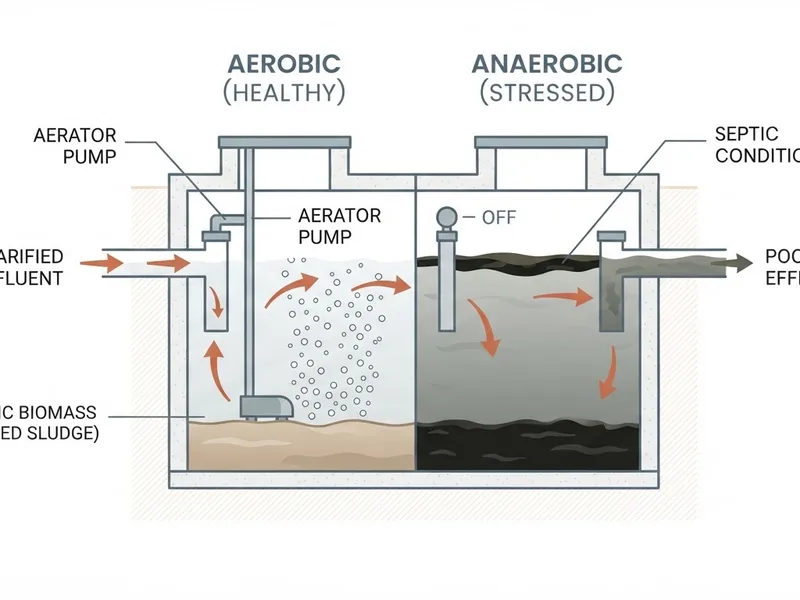
Power is the quiet line item. A blower runs to keep air moving through the treatment water. If it stops, the system is not treating the way it was designed.
Ask the installer for the blower nameplate watts and the alarm setup. Then check your electricity rate. The math is watts times hours in a year, divided by 1000, then multiplied by the rate per kilowatt hour.
Chlorine is another recurring cost. The feed can be tablets, liquid or a small feeder, and the service contract may or may not include refills. Find out what the invoice covers before you buy chlorine separately.
Pumping still matters for an ATU. The tank still catches solids. If the scum layer, the floating fats, or the sludge, the settled solids, grow too thick, solids can leave the tank and plug the field.
Ask whether the system has an effluent filter, the small screen at the outlet that catches solids before they reach the drain field. Some filters need cleaning every year, while others follow the service schedule.
Keep a copy of the service invoice in the house. It should say when the blower was checked, when chlorine was added, when the tank was pumped and whether the alarm was tested.
Annual carry estimate
Enter numbers from your quotes, utility bill and service invoice. This estimate does not include install or drain field replacement.
Estimated annual carry (USD)
Parts, permits and the moment an ATU is not optional
A pump or blower has bearings, an impeller, a motor or a diaphragm. A control board can fail after a surge. A float can stick when solids build around it.
The distribution box, which splits flow among drain field lines, can move out of level. Then one line gets more water than it can take. A clogged effluent filter can cause the tank to back up, even when the tank is not full of solids.
These are not reasons to fear an ATU. They are reasons to budget for small repairs and read the service record before you buy a home.
When a quote jumps straight to replacing a drain field, ask for the tank level reading, the blower test, the distribution box level and the condition of the soil over the field. A backup can come from a stopped blower, a full tank, a clogged filter or a failed line. Those checks are cheaper than digging up a field.
Do not use additives as a shortcut for service. The air pump, the bacteria, the chlorine path and the pump schedule do the work. If a product promises to replace maintenance, ask for the manufacturer test data and the local permit office reaction before you spend money.
Many homeowners do not choose an ATU because they prefer it. They choose it because the lot does not allow a simple system.
A small parcel, a high water table, shallow soil, a steep slope, a stream, a well or a neighbor's field can push the permit office to require extra treatment.
A perc test, short for percolation test, measures how fast water soaks into the soil. The soil over a conventional drain field also builds a biomat, a thin living layer that helps absorb and clean water.
If the perc test is poor, the water table is high, or the field area cannot be large enough, the permit may require a system that delivers cleaner water before it reaches soil. In that case, an ATU is not a luxury upgrade.
For a buyer, the real question is not whether you like an aerobic system. It is whether the permit, the service record and the maintenance contract match what the county expects.
Before you sign: questions and second opinions
Ask for a written scope
The bid should list tank capacity, material, number of compartments, blower model, alarm type, chlorine feeder, risers, wiring, filter, and inspection items.
Separate the dig from the unit
Tank setting can change when rock, water table or grade is found. Ask how the installer handles extra excavation, dewatering and repair of sod.
Check the service contract
Ask how many visits are included, whether chlorine refills are included, whether pump-outs are included, and who responds to an alarm after hours.
Get the power plan
Confirm the blower circuit, surge protection, backup generator readiness if required, and where the alarm panel lives inside the house.
Compare part quotes
Ask the installer to list the price for a blower replacement, pump replacement, control board, float and effluent filter. Do not sign without knowing the likely wear items.
Take a second opinion
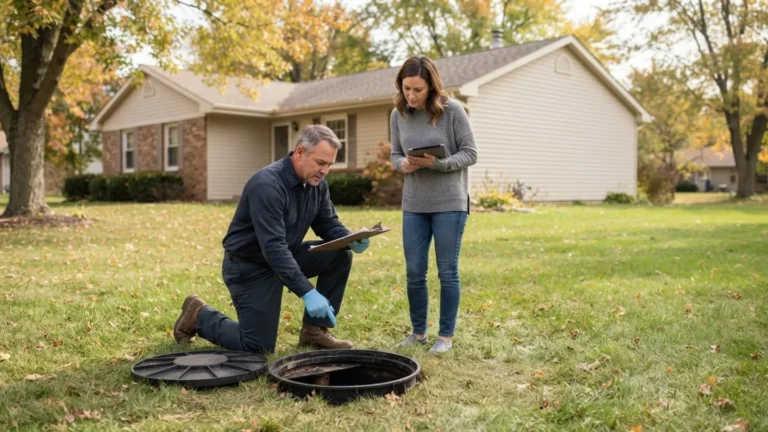
If someone says a drain field must be replaced and the service record is thin, ask a licensed inspector to test the blower, check the tank levels and look for a blocked filter before the dirt opens.
Twenty-year picture: line up the same costs
To compare a 20-year bill, put the same columns next to each other. Start with the install quote, then add annual service, power, chlorine, pump-outs, repairs and any future field replacement fund.
An ATU may carry more annual line items than a simple gravity system. That does not mean a conventional system is always cheaper over two decades. A conventional field can plug, and that replacement can cost more than a blower swap.
The fair comparison is a table that shows what each system asks of the wallet in year one, then in years five, ten and fifteen. It should also show what the permit requires, because an unpermitted shortcut can become a resale problem.
If you own a rental, keep the service file with the lease papers. A tenant can report slow drains in a day. You will need the tank map, pump date, blower watt data and service phone number to answer.
Frequently asked questions
Is an aerobic septic system always more expensive than a conventional system?
The upfront install and the ongoing service are usually higher for an ATU because of the blower, disinfection path, alarm and maintenance records. The gap can shrink if the conventional system needs a large field, deep excavation or an early field replacement.
How do I estimate the electricity cost?
Use the blower nameplate watts, multiply by 8,760 hours in a year, divide by 1000 to get kilowatt hours, then multiply by your utility rate. Put the result in the calculator above.
Do I have to buy a service contract?
Some permits require one. Even when the paperwork does not require it, an ATU can fail quietly because the blower, alarm, chlorine feeder and filter all need checks. Ask what visits, refills, pump-outs and emergency calls the contract includes.
What does chlorine do in an aerobic system?
Chlorine treats water before it leaves the system so the drain field or reuse path handles lower bacteria levels. Your installer and local health office will say whether chlorine is required for your setup.
What should I do if the alarm sounds?
Stop heavy water use, check the breaker and safe access points, then call the service provider. If water backs into a basement shower or sink, call now. Do not wait until the next scheduled visit because the toilet still flushes. A continuing alarm can point to a stopped blower, stuck float, power loss or a full tank.