Toilet Gurgling on a Septic System: Causes and Next Steps
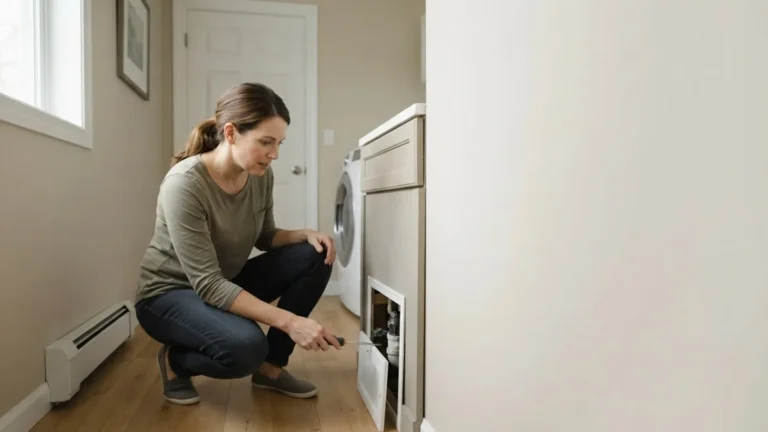
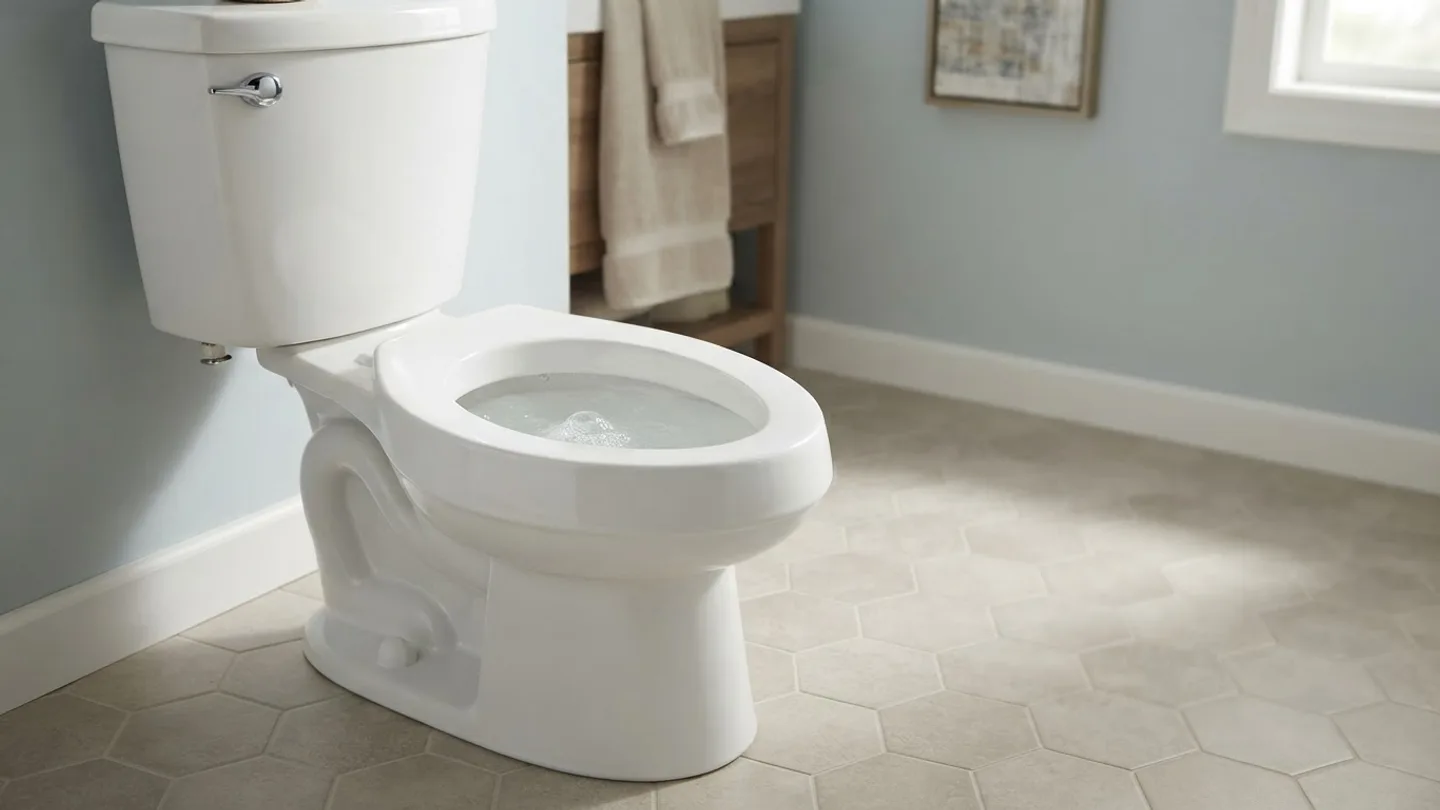
A load of towels runs through the washer, and as the drain cycle starts the basement toilet gurgles a few times. The water in the bowl wobbles, then settles. It feels small, but on a septic house that sound is a pressure clue from the plumbing below grade.
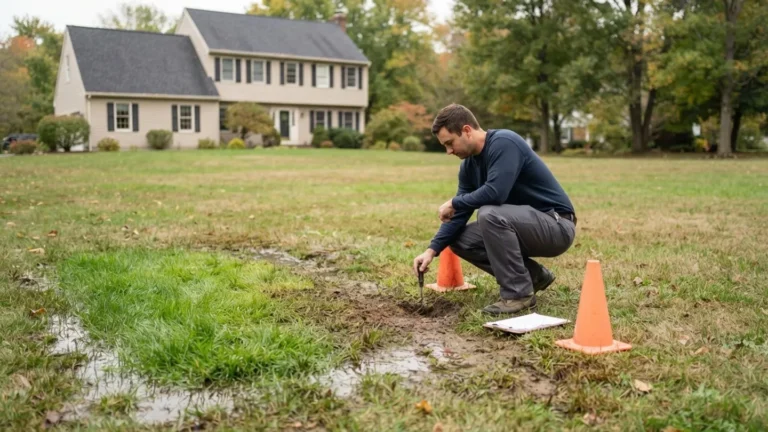
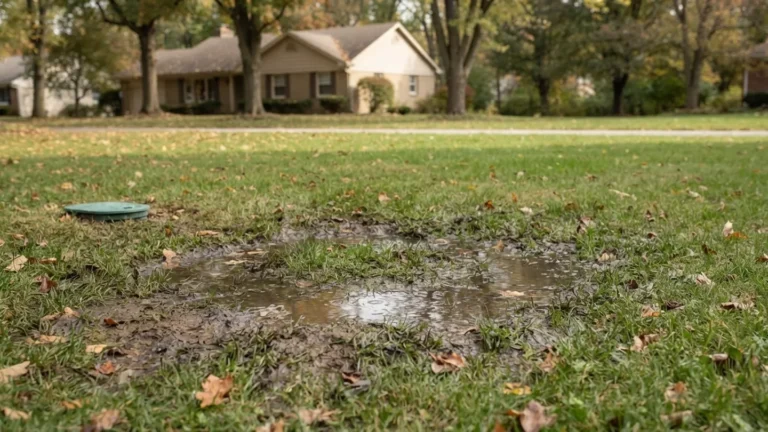
Do this now: stop adding water to that fixture line, note which sinks or toilets are involved, and look outside for wet grass, a smell, or a ponded area near the tank or field. If drains are slow throughout the house, or water backs up into a tub or shower, pause laundry and call a septic service. If only the toilet gurgles when the washer drains, book an inspection and note what changes after each fixture runs.
On a septic system, toilet gurgling septic often points to a vent issue, a partial clog, a full tank, or a drain field that cannot take water. The cause is usually found by matching which fixture runs with when the gurgle happens.
Sections in this guide
Do this now
Pause water into the affected line
Stop running the washer, dishwasher or sink that triggers the gurgle. Tell others not to flush until you know if the cause is one branch or the whole house.
Watch which fixture gurgles
Run one fixture at a time if it seems safe. Note whether the toilet gurgles with the washer, a bathroom sink, a shower, or no other fixture.
Check the yard from a distance
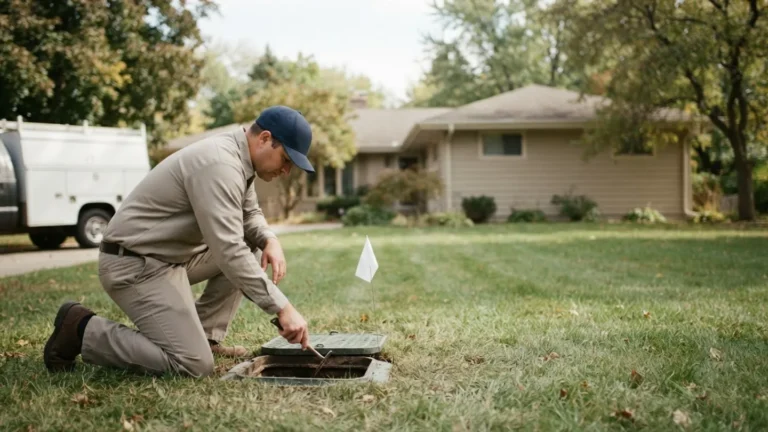
Look for soggy grass, standing water, an odor, or an unusually green patch over the tank or field. Do not open tank lids if you smell gas or see water pooling.
Call when the house backs up or drains slowly
If wastewater backs up into a floor drain, tub or shower, if several drains run slow, or if the field is wet, call a septic pump or repair service. A prompt inspection is better than a weekend project.
If it is a single gurgle, document it
Note the time, fixture, recent rain, and how many people were in the house. That helps an inspector tell a vent or partial clog from a tank or field problem.
Do this now
The shortest next step is to stop adding water, watch which fixture makes the sound, and look for wet ground outside. If drains are slow across the house or anything backs up, call before trying to fix it yourself.
Sections in this guide
Do this now: At a glance: What gurgling means on a septic system: Which fixture gurgles and when: Venting problems: Homeowner checks and pro checks: Partial clogs and slow drains: What points to a partial clog: A full tank, scum and sludge: System type clues: Saturated fields and system variants: Questions homeowners ask about gurgling.
At a glance
What it covers: How to tell a vent blockage, partial clog, full tank, or saturated drain field from toilet gurgling. Which systems it applies to: Conventional gravity septic systems, aerobic systems, and mound systems in homes on private septic instead of city sewer. Typical cost range: The cost range moves by state, local hauler, tank depth, and whether the job is a clearing call, pump out, or field repair. Ask for a written estimate before work, and get a second opinion on any quoted drain field replacement. How urgent it is: Moderate if one fixture gurgles but drains fast. High if multiple fixtures gurgle, drains are slow, water backs up, or the field is wet. Homeowner job or pro job: You can note fixtures, check the ground, and use a flange plunger on a toilet trap. A plumber or septic pro should clear main drains, inspect baffles, pump the tank, or assess a field.
What gurgling means on a septic system
Every drain inside the house needs air behind it. A vent pipe is the stack that runs to the roof, lets air in, and keeps sewer gas out. If air cannot move smoothly through the plumbing, water flowing past a trap can pull air through another fixture. That is why a toilet bowl can gurgle when a washer drains.
On a septic system, the tank separates solids from liquid. A typical tank size may be 1,000 gallons for a three bedroom home, though size varies. The scum layer is floating fat and waste at the top. Sludge is settled solids at the bottom. Baffles, or inlet and outlet guards, keep that material from moving out to the drain field.
Liquid leaving the tank is effluent, or treated wastewater. Many tanks have an effluent filter, a screen at the outlet that slows solids from escaping. The tank pipe may lead to a distribution box, a small box that spreads flow into several drain field lines. The field works because soil around the pipes absorbs the water slowly.
When the field is working well, water goes down into the soil. When the field is saturated, compacted, choked by roots, or too close to the surface, water can stay in the pipes and back pressure can appear in the house.
Gurgling alone does not tell you what to fix. The pattern does. One bathroom fixture, one branch, the whole house, a rainy week, or a recent heavy laundry load are the clues.
Which fixture gurgles and when
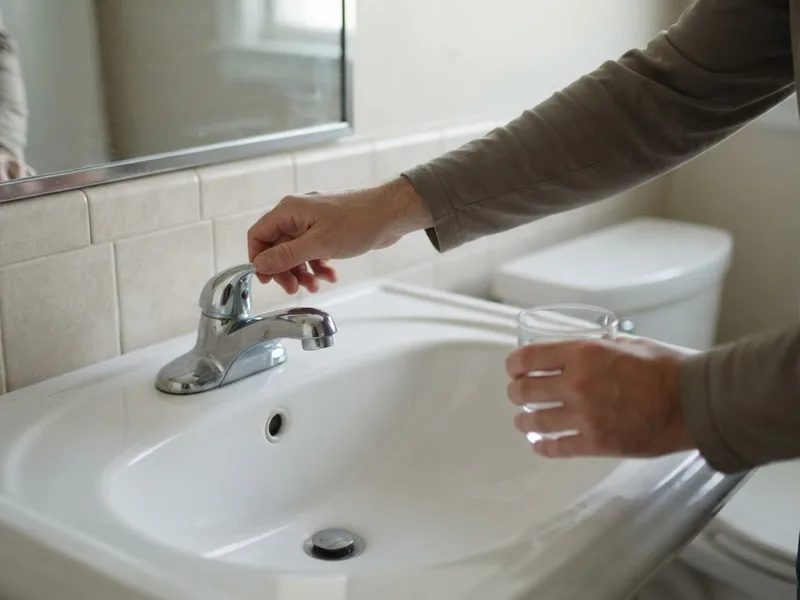
Use the fixture pattern as your first clue. A gurgle tied to one fixture often means a local vent or branch problem. A gurgle tied to several fixtures, especially slow drains, may mean the main line, tank, or field needs a closer look.
Venting problems
A blocked vent is one of the most common causes of gurgling. The stack may be stopped by leaves, a bird nest, ice, or debris from roof work. When a large volume of water drops down a drain, it can pull air through the nearest opening, often the toilet trap.
Look for symptoms: the gurgle happens when water is draining fast, but fixtures still clear. There may be a sewer smell near a roof stack. In cold regions, ice can narrow the pipe mouth in winter.
Stay honest about what you can do. A homeowner can usually check the stack from a safe ladder only if local roof height is low. Do not work alone on a wet or steep roof. Do not flush or pour chemicals down a vent to clear it.
A plumber can use a water jet, a camera, or an air method to clear the stack. If a septic system is old and a field repair is quoted, get a second opinion before agreeing to major work.
Homeowner checks and pro checks
Homeowner checks: Use a notebook. Run the washer for 30 seconds if drains still move, and see if the toilet gurgles. Try one sink. Check for wet grass. Do not open tank lids unless you know the safety steps, because gases can build. If the toilet itself is slow to flush, a flange plunger, a toilet plunger with a soft extension, may clear a trap clog. Do this only when wastewater is not backing up and you can keep the area from spreading water.
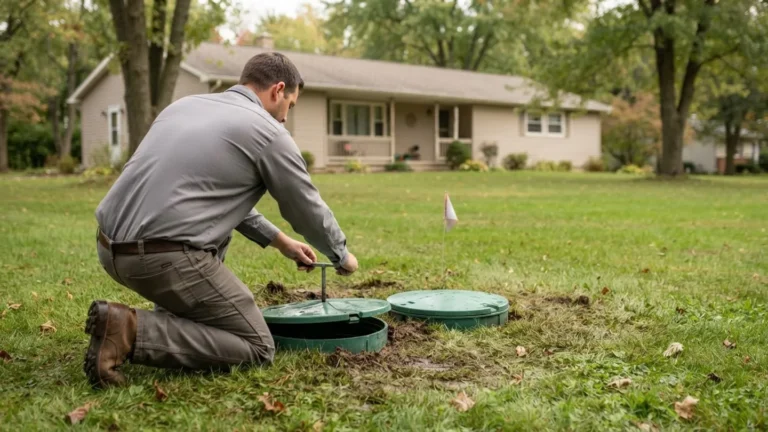
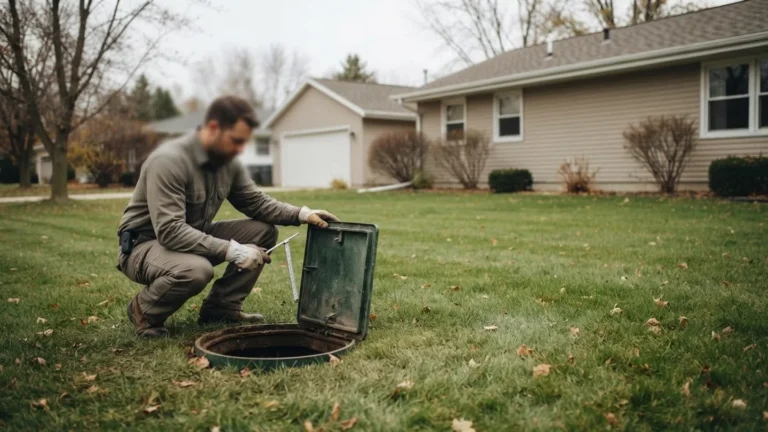
Pro checks: A septic professional can measure scum and sludge depth, check baffles, inspect the effluent filter, and pump if needed. A plumbing or septic camera can look for a partial clog in the house line or the pipe to the tank. A field check may look at water levels, distribution box flow, root intrusion, soil moisture, and past perc test results. A perc test is a soil drainage test done before or when deciding field repair.
Partial clogs and slow drains
A partial clog is not always a hard stop. Grease, wipes, hair, soap scum, and roots can narrow a drain just enough to make air pressure shift. A toilet may gurgle because the washer drain is moving water past a narrowed line.
Garbage disposals can add load to a septic system. In many homes a modest use is workable, but heavy use plus wipes plus a large laundry load can overload the tank. If your system has an effluent filter, a disposal that sends fine solids through the filter can cause more pump or cleaning visits.
Do not reach for a septic additive to fix gurgling. Many additives are a waste of money, and enzyme or bacterial products will not clear a root, grease plug, collapsed pipe, or full tank. Plain mechanical clearing is the reliable route.
If only one branch is slow, a plumber can often snake that line. If the main line backs up to the tank, a septic service is better because the tank and field need review, not just a house drain.

What points to a partial clog
A gurgle happens when one branch drains, not every fixture. The affected sink, tub, or washer is slow, but other rooms are normal. The sound continues after a toilet flush, so the trap or line below it is narrowing. Only the main branch to the tank seems involved, so a septic pro should inspect the house line, tank and field.
A full tank, scum and sludge
A tank rarely stops a drain by being full alone. The tank works because it keeps solids inside and lets liquid flow out. If the scum layer or sludge gets too deep, it can cover the effluent filter or move past a baffle, and flow becomes harder.
Pumping removes the accumulated sludge and reduces the risk of solids reaching the field. Pumping frequency depends on tank size, household use, waste load, climate, and what the pump records show. A large family, a small tank, heavy laundry, a rental with changing users, or poor access can shorten the interval.
After pumping, the inspector should look inside with the lid open. Check that the inlet baffle is intact, the outlet baffle is not broken, and the effluent filter is clean. Ask for a photo or written notes if you want a record for later.
If a pumper says the tank is full but every drain is slow only after heavy rain, still consider the field. Tank water level alone does not explain outdoor wetness.
System type clues
Conventional gravity system: Tank and buried field. Gurgling is often vent, clog, tank solids, or wet soil.
Aerobic system: Has a blower, pump, filters, or air parts. Check pump cycles and filters before blaming fixtures.
Mound system: A raised field used where soil depth is limited. Watch for ponding over the mound and stop heavy water use.
Saturated fields and system variants
A saturated field can cause gurgling because water has nowhere to go. Rain, snow melt, a compacted soil area, a failed distribution box, or a broken line can make the field hold water. If the soil is already full, the next laundry load raises pressure inside the pipes.
A mound system uses a raised soil bed to treat wastewater when soil depth is poor. If water pools over a mound, call a pro and stop heavy water use. A homeowner can wait if only one fixture gurgles, but a mound that is ponding is not a weekend fix.
An aerobic system adds air to speed treatment. It may have a blower, pump, float switches, and an outlet filter. Gurgling can mean a pump is not cycling, a filter is fouled, or an air line is blocked. Because these systems have more moving parts, check them before blaming the toilet.
If you get a quote for a drain field replacement, ask whether the soil was saturated from rain, whether the distribution box was clogged, and whether a repair or rebedding is possible. Rebedding means replacing the gravel and soil bed. A second opinion can save you from replacing a field that only needs clearing or better dosing.
Questions homeowners ask about gurgling
Will a septic additive stop the gurgle?
Probably not. Many additives are a waste of money. If the cause is a blocked vent, partial clog, full sludge, or wet field, additives will not clear it.
Can I pump the tank myself?
Do not. Tank access lids can be tight, gases can be harmful, and pumping requires removing waste and sludge. Call a local septic pump service and ask what rules apply to your state.
Does gurgling always mean the field is failing?
No. If one toilet gurgles when the washer drains and all fixtures flush fast, a vent or branch clog is more likely. Wet ground, odor, and slow drains across the house raise the chance of a field problem.
What is a distribution box?
It is a small box that splits tank liquid into several drain field lines. If it tilts, plugs, or cracks, one line may take too much flow and saturate.
How do I know if the tank is too full?
A pro can measure sludge depth and scum layer thickness through the access ports. A tank with a deep scum layer or sludge near the outlet is more likely to push solids to the field.
Should buyers ask for a septic inspection?
Yes. If you are buying a home on septic, ask for the tank size, location, pump records, permit history, and a current inspection report. Repair estimates vary, so get the scope in writing before closing.