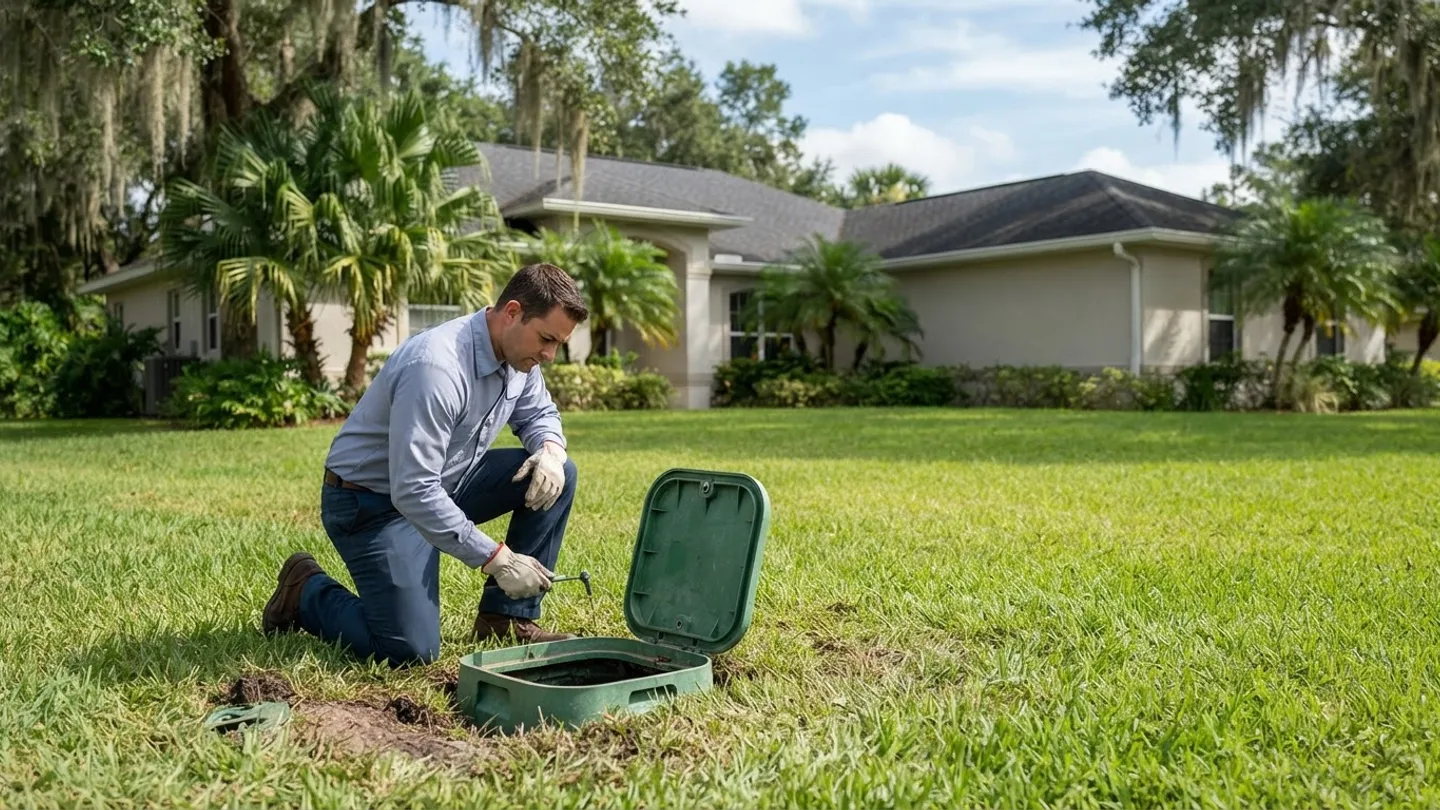
Florida Septic Rules: Permits, Inspections and Nitrogen Limits
You are at the kitchen table in a Florida home, holding a closing statement, a pump receipt, and a permit card that does not match the system in the yard. That is where Florida septic regulations start to matter.
The main rule framework can look simple from a distance. The details sit with the county office, the soil, and the water body nearby. If you are buying, selling, repairing, or planning a new system, do not lean on a neighbor's experience alone.
Key takeaways
- What this covers: who handles Florida septic regulations, permit records, sale checks, repair permits, setbacks, and nitrogen limits.
- Which systems: conventional gravity systems, aerobic systems, mound systems, and other alternative or advanced treatment systems used in Florida.
- Cost range: Florida does not have one statewide price for a permit, inspection, pump-out, design, install, or nitrogen upgrade. Ask for written county, designer, installer, and maintenance quotes.
- Urgency: high for a backup, sewage odor, soggy soil over the drain field, or a closing date with missing permit records. Medium for planned repairs, additions, or a new install.
- Homeowner job or pro job: the homeowner can gather records and ask county questions. A pro is needed for design, permit work, inspection, pump records, and repair.
County health offices and the state agency set the Florida path
Florida septic rules are carried out by the state environmental agency, the Florida Department of Environmental Protection, and local county offices. In plain terms, the state sets the main framework, and the county health office often runs the permit review, inspection, and site record.
That split matters when you read a document. A county permit does not prove the whole story, and a private report does not replace a county file. Ask which office holds the current permit and what that office requires for a repair, replacement, or sale check.
Collect the file
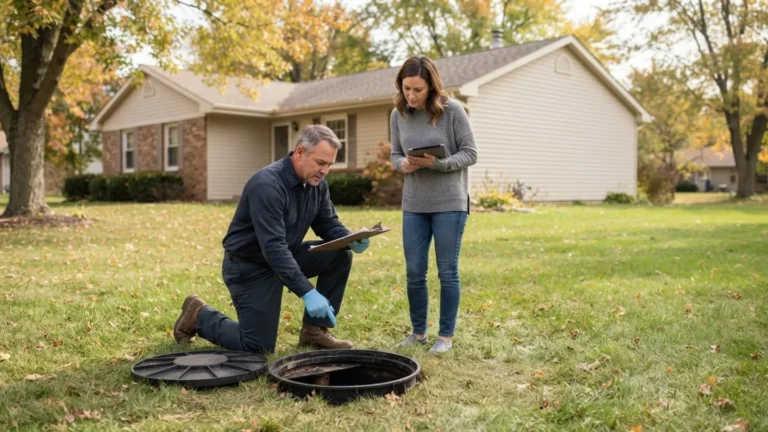
Get the address, permit card, pump receipt, and any installer or engineer report that mentions the system type.
Ask the county what the record shows
Ask the county health department for the address file: active permit, repair permit, system type, soil conditions, and any special water protection area.
Set the sale check terms early
Ask the buyer, seller, title or closing team, and county what records or inspections the transaction needs. Do not assume one statewide rule settles it.
Get a written repair scope
For a repair, ask what is being fixed, what needs a permit, who inspects, and what happens if the tank, baffle, pump, or drain field is worse than expected.
Plan the new system paperwork
For a new system, ask if the site needs a soil test, a design, a permit, an inspection, and maintenance records after the first season.
What a Florida home sale can trigger
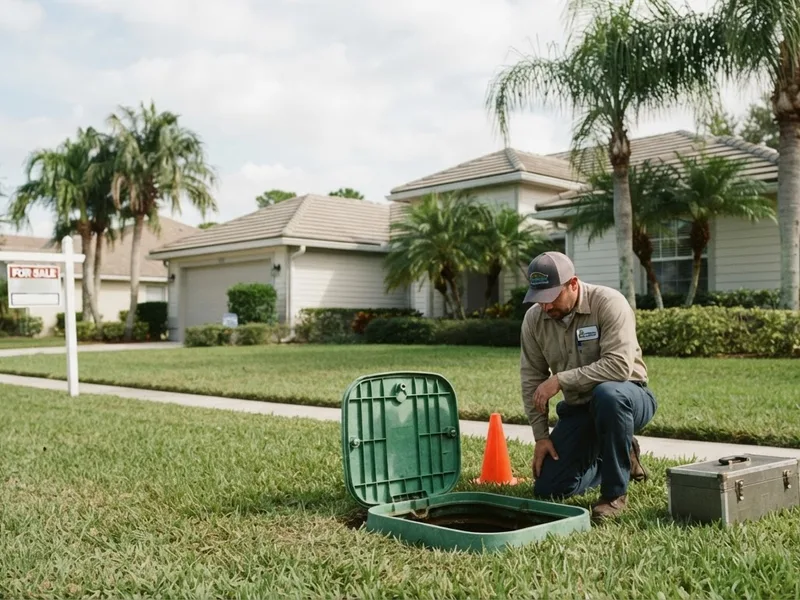
A closing in Florida is not just a house question. It is a wastewater question if the home uses a septic system. The buyer may want proof that the system is permitted, working, and suitable for how the family will use it.
The seller may need to show a permit history, a current system map, and any repair or replacement records. A clean-looking yard is not proof. The tank can pump normally while a drain field, the soil area where treated water soaks away, is starting to fail.
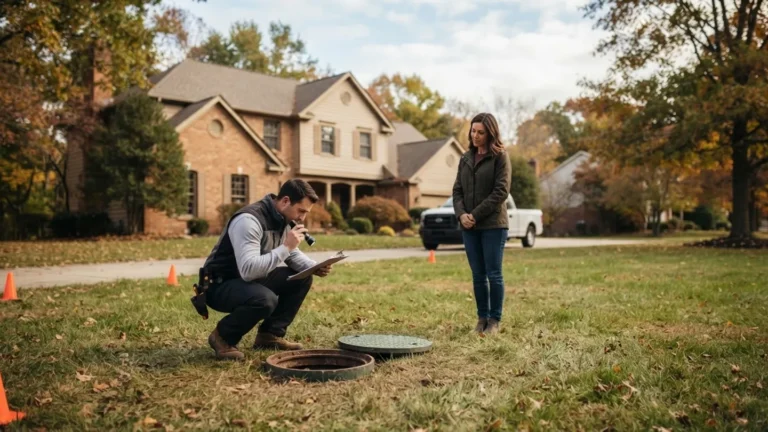
Use the contract to define who checks what. If the home is older, if the system has been altered, if the property is near sensitive water, or if the county record is thin, ask for a review before the closing date moves.
| Factor | Standard route | Nitrogen-reducing route |
|---|---|---|
| Typical job | Move treated wastewater through soil in a way the county approves | Reduce more nitrogen before water leaves the system |
| Where it may be chosen | Common sites with no special limit beyond basic rules | Areas near springs, impaired waters, or other sensitive groundwater paths |
| Maintenance focus | Tank service, baffles, and drain field checks | Tank service plus equipment, filters, disinfection, alarms, and service records |
| Records to ask for | Permit, pump receipt, repair history, system type | Permit, design basis, maintenance schedule, equipment logs, and county-required service records |
Repairs and new systems follow a permit path
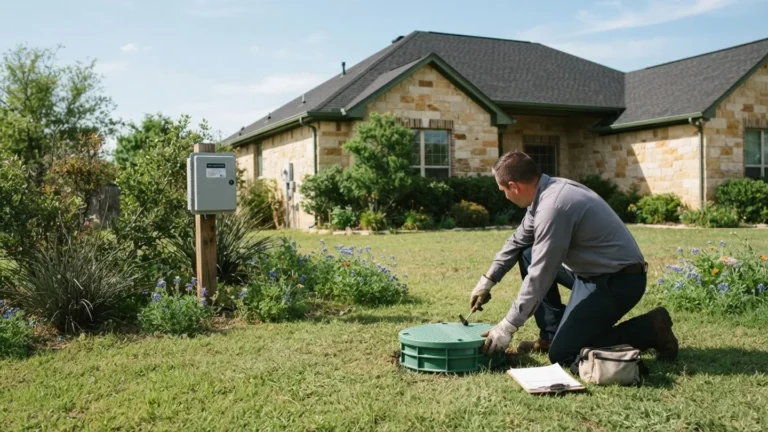
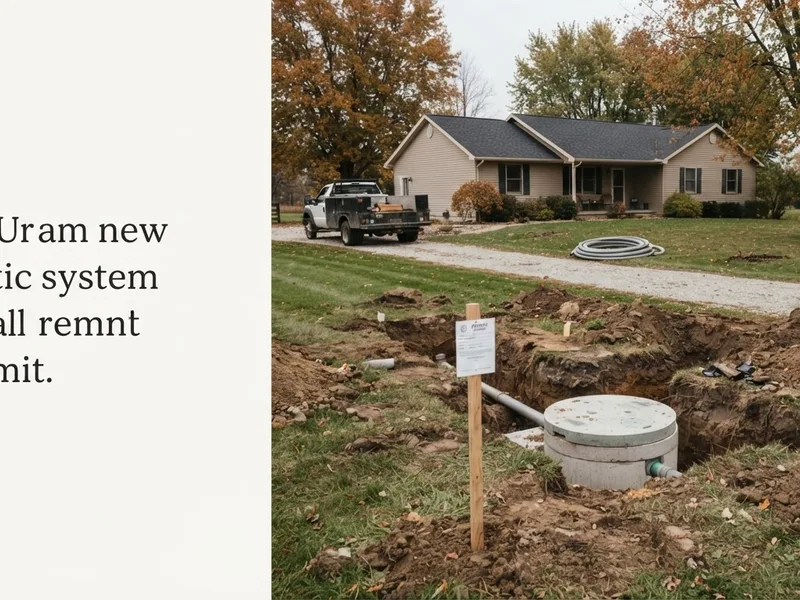
A broken pump, a cracked tank, a missing baffle, or a plugged effluent filter may look like a simple fix. It can still need county notice, a permit, and an inspection. Ask before you dig or replace equipment.
Baffle means a part inside the tank that helps keep solids from moving into the drain field. Effluent filter means a screen on the outlet that catches particles. Both can change the health of the drain field.
If a drain field replacement is quoted without a site check, ask for the county answer and a second professional opinion. A buried failure can look obvious from the yard, but the cause and fix often need more than a quick visual.
A new system also depends on how many fixtures the home uses, how many bedrooms the plan assumes, and if the site passes the needed soil checks. A perc test, a test that looks at how fast water soaks into the soil, may be part of the file.
Frequently asked questions
Does Florida require a septic inspection for every home sale?
There is no single statewide rule that says every sale gets the same inspection. Ask the county health office, the title or closing team, and the contract terms. If the permit record is incomplete, the deal may stall until the record is clearer.
Can I replace a tank part without a permit?
Maybe. A pump-out and minor service may not look like a permit issue, but a repair to the tank, baffle, outflow, pump, or drain field can need a permit. Get the county answer for that address before work starts.
What makes a nitrogen-reducing system different?
It treats wastewater for more nitrogen, then needs more attention. Ask who services it, how often, what parts can fail, and what records the county expects.
Are mound systems automatically nitrogen-reducing systems?
No. A mound system, an above-ground drain field built when wet soil or shallow rock makes a buried field hard, may solve a site problem. It may not meet a special nitrogen rule unless the permit design says so.
Can I add a bedroom without changing the system?
Maybe not. A bedroom change can change how much wastewater the home is expected to use. If the county sees added load, it may ask for review, repair, or a new design.
What if the yard is soggy near the drain field?
Treat that as urgent. Stop adding water to laundry and fixtures, avoid heavy loads over the area, and contact a qualified septic professional or the county if odor, slow drains, or standing water appears.
Setbacks, nitrogen limits, and final county checks
Setbacks are the required distances between a septic system and wells, buildings, pools, water bodies, wetlands, property lines, and other site features. They are not decoration. They protect the tank, the drain field, and the drinking-water path.
The exact distances can depend on the county, the soil, the water table, and if the site sits in a sensitive area. A professional design and the county record should show why a system fits that lot.
Nitrogen rules can raise the standard. Nitrogen is a nutrient from wastewater that can move with water into groundwater or surface water. Near springs, impaired waters, meaning surface waters already flagged for not meeting water quality rules, and other sensitive paths, a county may require a nitrogen-reducing system instead of a basic gravity setup.
Not every advanced or alternative system removes the same amount of nitrogen. A mound system may solve wet soil or shallow rock, but it may not meet a special limit unless the permit says so.
Before you buy, sell, repair, or build, ask the county health office for the current path for that address. Bring the permit card, the system map, the pump receipt, and a short description of what you plan to do.
Ask who designs, who installs, who inspects, and who services the system after the job. For a nitrogen-reducing system, ask for the maintenance contract, the alarm test record, and the parts plan. For any system, ask what the county will accept as proof of repair.
Last checked: June 16, 2026. If the county office, forms, maps, or local requirements have changed since that date, follow the county record and a licensed professional.