Massachusetts Title 5: Septic Inspection Rules for Sellers and Buyers
You have a signed purchase and sale in Massachusetts, and the septic system is now part of the closing conversation. If the house is not on public sewer, Title 5 rules can affect timing, repairs and the price you pay.
This guide walks through the basics for sellers and buyers: when an inspection is needed, how long a report stays useful, what pass, conditional pass and fail mean, and where upgrade deadlines come from.
If you already have a backup, odor or wet ground over the drain field, fix the immediate problem first. The transfer rules are a separate job, and a slow paperwork step should not make a plumbing emergency worse.
Key takeaways
- Covers: Massachusetts Title 5 inspection at property transfer, report validity, pass outcomes and upgrade deadlines.
- Applies to: homes with a private septic system, not public sewer.
- Typical cost range: varies by town, inspection, needed repairs and upgrade type. Ask for itemized written quotes.
- Urgency: time sensitive when a sale is pending. It is not a same day emergency unless there is a live backup or odor indoors.
- Homeowner or pro: you can organize records, ask questions and negotiate. The inspection, repair, pumping and upgrade should be handled by licensed professionals.
What Title 5 does at a property transfer
Massachusetts regulates private sewage systems under Title 5. For most home sales, the rule puts the system on the checklist before transfer. The point is simple. The buyer and local board need to know that the tank and drain field are working under current standards.
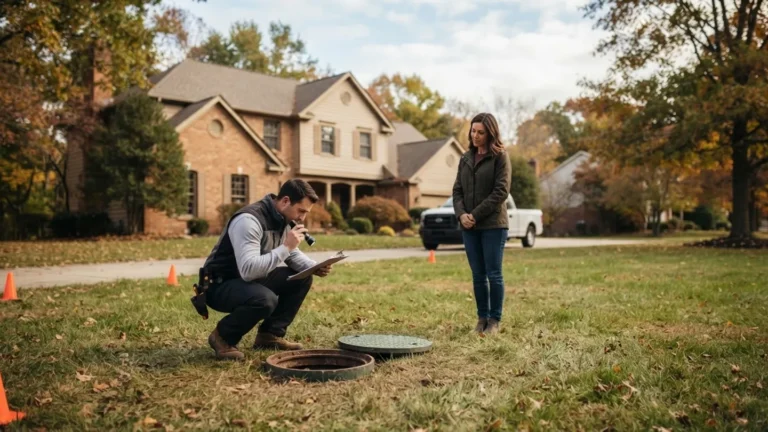
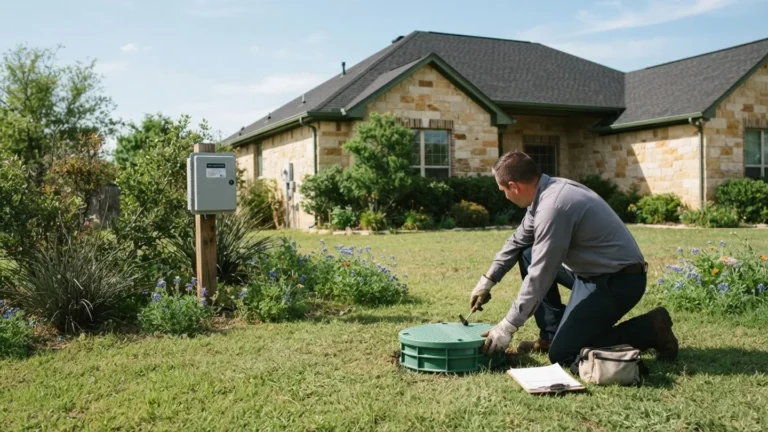
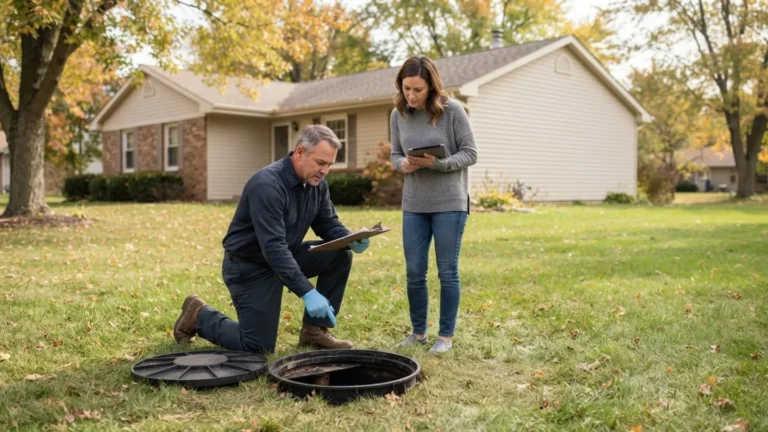
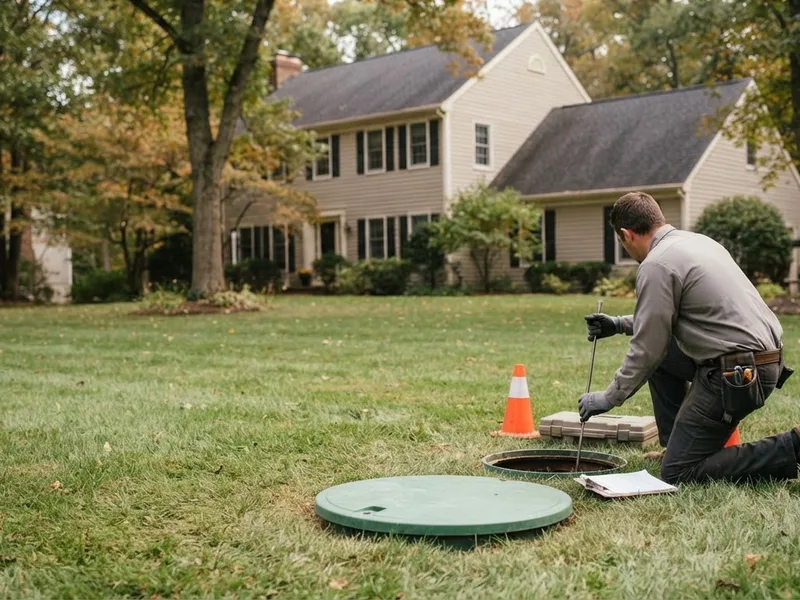
A licensed septic system inspector evaluates the system. The report should state tank size in gallons, lid and access details when available, tank condition, sludge and scum readings, outlet devices and any signs of drain field stress.
The board of health receives or reviews the report under the process that applies in your area. For sellers, this is a disclosure step. For buyers, it is a due diligence step.
| Outcome | What it says | What you do next |
|---|---|---|
| Pass | The inspector and board see no disqualifying problem at the time of inspection. | Keep the report with the deal file. Confirm any routine maintenance obligations. |
| Conditional pass | The system can be accepted if one or more issues are fixed within set conditions. | Get the exact defect list in writing. Ask who pays, when work is due and whether closing can proceed. |
| Fail | The system is not acceptable as it is. | Pause on transfer assumptions. Get repair or upgrade quotes and ask the local board what the deadline requires. |

MassDEP and local boards: who handles the file
MassDEP is the state environmental agency behind the Title 5 program. The local board of health is often the office you hear from when a deal is moving. It may review the report, tell you the transfer status, require a repair timeline or decide how to handle older or complex systems.
Do not assume one town behaves like the next. The local board can be the practical decision maker, especially when the system is older, has been repaired before or sits on difficult soil.
If you need a straight answer, ask the board a specific question: Is this report current for transfer, what outcome was filed, and what conditions or deadlines apply.
Before closing: what sellers and buyers should do
Gather records
Find the latest septic system inspection Massachusetts transfer rules require or accept. If the tank was pumped, get dated pumping invoices. A current report and maintenance records reduce last minute surprises.
Ask questions in plain words
If the report uses terms you do not know, ask what each one means, how it affects the system and what would need to be fixed. You need the practical effect, not trade language.
Ask the local board what the outcome means for closing
Do not rely on one adjective alone. Ask whether the board has recorded a pass, conditional pass or fail, whether the deal can proceed and what conditions must be met.
Get repair or upgrade estimates before negotiating
Use written quotes from licensed septic contractors. Ask whether the estimate includes permits, pumping, tank work, field work and final sign off.
Make the condition clear in the purchase and sale
Sellers should disclose known system condition. Buyers should define who handles conditions, costs and deadlines. If the work cannot be done before closing, ask the board how the transaction can proceed.
What the septic system inspection Massachusetts report checks
Massachusetts Title 5 inspections look at how the system is built and how it is treating wastewater. The inspector checks tank access, tank condition, sludge and scum levels, outlet devices and signs of leakage. The inspector also looks for field problems that show at the surface, such as wet ground, odors or backups into the house.
You may hear about a perc test, a soil test used when sizing a new drain field. For a transfer inspection, the main question is usually whether the existing field can still work or has shown signs of failure.
| Term | Plain meaning | Why the report notes it |
|---|---|---|
| Sludge | Settled solids at the bottom of the tank. | Too much sludge can let solids move into the field. |
| Scum layer | Floating fats and solids near the top of the tank. | It can block the outlet if it grows too deep. |
| Baffle | A wall at the tank outlet that holds solids back. | A damaged or missing baffle can send solids into the field. |
| Effluent filter | A screen at the outlet that catches small solids. | It helps protect the drain field, but it needs cleaning. |
| Distribution box | A part that splits flow from the tank to field lines. | If it is broken, one part of the field can overload. |
| Biomat | A natural soil layer under the field that slows water. | A healthy biomat is needed, but too thick a layer can choke flow. |
Report validity, conditional repairs and upgrade deadlines
A Title 5 report has a shelf life, and that matters when negotiations drag. The window described on this page is two years in general, or three when annual pumping records are available. Do not assume those numbers cover every town or every system. Ask the local board whether your report is current, especially if the sale was extended or the report was completed before a repair.
If a system gets a conditional pass, the board may accept the deal with conditions. Those conditions can involve repairs, pumping, replacement of a component or an upgrade to the drain field. The deadline may start when the board issues a permit or order, not when a report is signed. If a system fails, the repair or replacement path is harder. A deadline for upgrade work may be tied to the severity of the problem and the type of system.
If a contractor recommends replacing a drain field before a closing, ask for the report, the permit, the local board condition and a second opinion if the quote is vague or unusually broad.
Frequently asked questions
Is a septic system inspection always required when selling a house in Massachusetts?
For many home sales involving a private septic system, yes. The exact requirement and timing depend on the local board of health and the property's records.
What does conditional pass mean?
It means the system is not a clean pass, but the board may allow the sale if specific conditions are met. The report or board should list the defect and the deadline.
How long can I rely on a Title 5 inspection report?
Two years is the basic window highlighted on this page, with three possible when annual pumping records are available. Confirm the current requirement with the local board before closing.
Can I negotiate a repair or upgrade after a failed report?
Yes. Get a clear defect list, a licensed estimate, the board's required outcome and a written timeline before changing contract terms.
Do additives help a system pass?
No. Tank additives are not a proven fix for tank, baffle or drain field problems. A pass depends on the physical condition of the system and the board's review.
What if my septic system is a mound system or aerobic system?
Special systems can add maintenance steps, such as blower care, alarms or more frequent checks. A blower is a pump that adds air to help treatment. A Title 5 transfer report still focuses on whether the system is operating and meeting conditions.
Last checked and what to do next
Last checked: June 16, 2026. Massachusetts septic rules can change by regulation, local bylaw or board practice. This is general information, not legal advice. Before a closing, confirm the current requirement with the local board of health and ask the inspector to explain the report in plain terms.